Paint Protection · Pottstown, PA

    Same paint.
    60,000 miles later.

    Rock chips, road rash, and winter salt never reach your finish. A tough clear layer takes all of it instead. Ours gets sprayed on in a paint booth rather than cut from a roll, so there is no seam across your hood and nothing glued to your clearcoat.
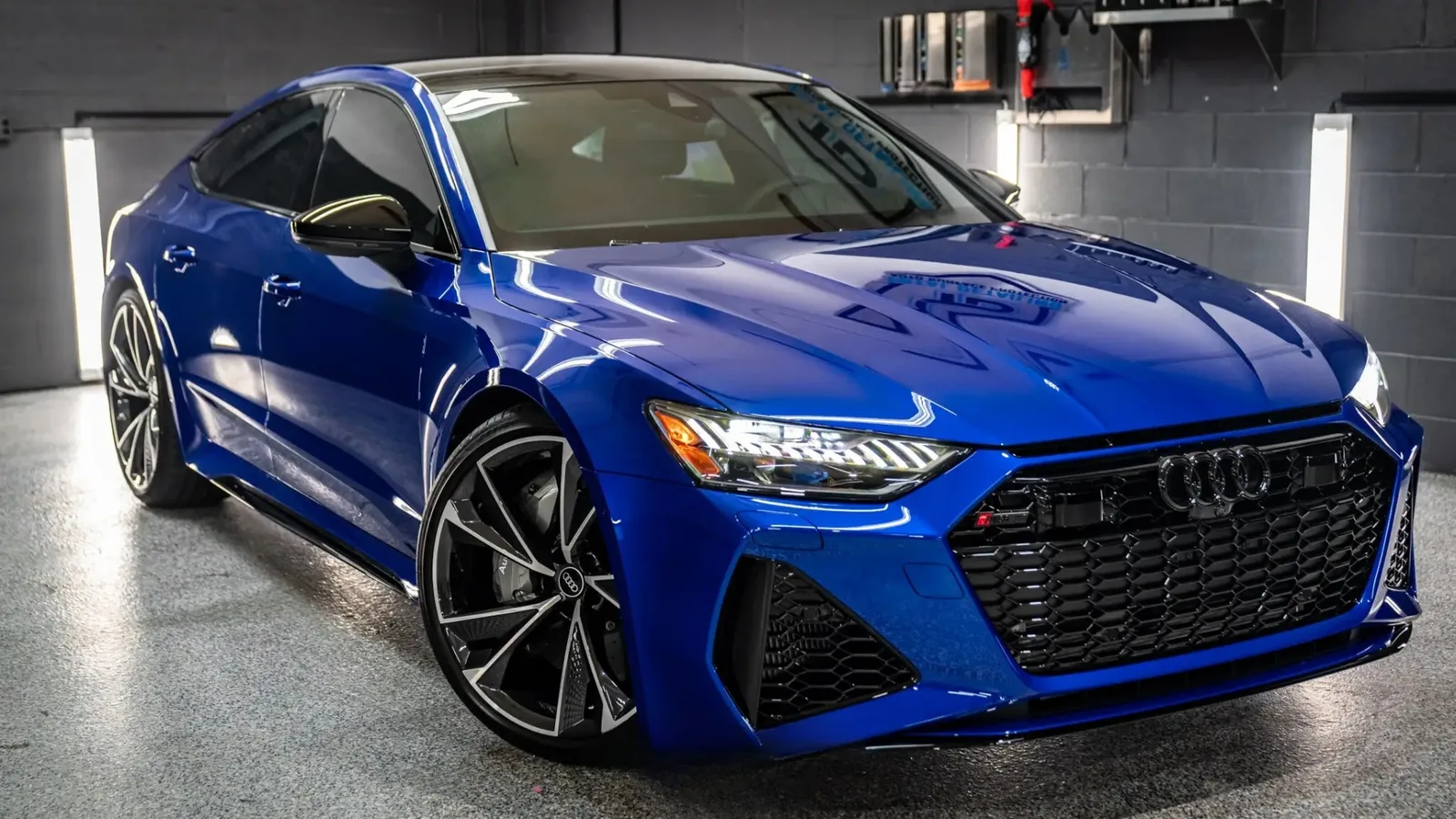
    Audi RS7 in Nogaro blue, finished and gleaming under the shop lights at Total Detailing at Heritage
    • 352 Google Reviews
    • 5-Star Rated
    • Featured in PPF Magazine
    • Region's Only PeelClear (Peelable Paint Protection) Installer
    The promise

    Three things you are
    actually buying.

    Stop the chips

    Highway debris hits the front of your car all day. A protection layer takes that hit so your clearcoat does not. That is the whole job, and it is why anyone shops for this in the first place.

    Keep the paint original

    Once paint is chipped, the honest fix is a respray, and a respray on a metallic means blending neighboring panels. Protecting first is what keeps the car on the paint it left the factory with.

    Come off without a fight

    Whatever goes on has to come off one day, usually right before you sell. That removal is where a lot of owners get an expensive surprise, and it is worth asking about before you buy.
    The picture

    Two ways to put a film on a car.

    Both end with a clear protective layer over your paint. They get there differently, and the difference is invisible on day one.
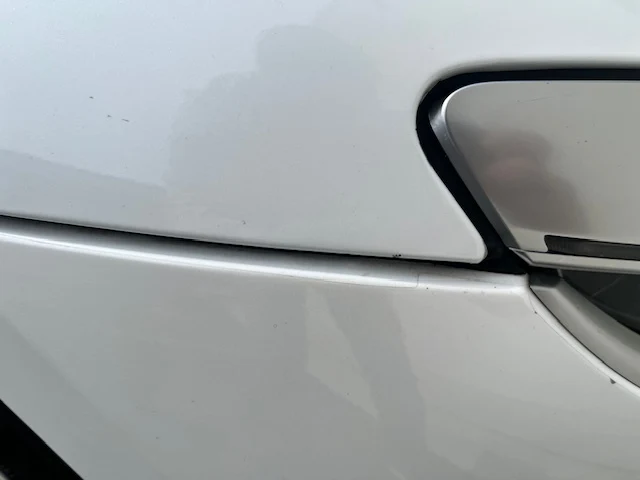
    Close view of a sheet film edge running along a door crease, with road grime collected in the line
    A film edge along a door crease, holding dirt.

    Cut from a roll

    Sheet film arrives on a roll, gets cut to each panel, and sticks down with adhesive. A good installer makes it look sharp leaving the shop.

    But it has to stop somewhere. Every panel carries an edge, and those edges sit right where panels meet. Over a few winters they darken with road grime and start to lift, usually at the bottom of the bumper first.

    The adhesive is the other half. Sun bakes it onto the clearcoat, and taking an aged film off can pull finish with it. The photos further down are removals we did ourselves.
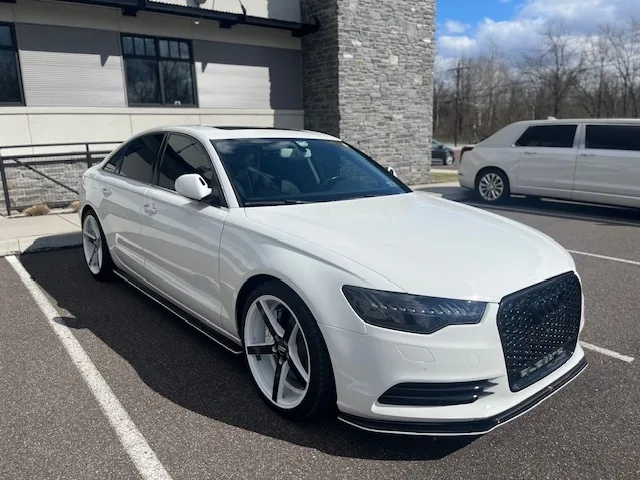
    White Audi A6 finished with sprayed PeelClear, showing continuous coverage with no cut lines at the panel gaps
    Sprayed instead. There is no line to hold anything.

    Sprayed in a booth

    Ours goes on as a liquid in a downdraft paint booth and cures into one continuous film across the panel. Nothing was cut, so there is no edge to find.

    It bonds mechanically instead of with glue, so there is nothing sitting against your clearcoat waiting to cure on. It still peels off in sheets years later, just without the fight.

    Damage behaves differently too. Light marring sands and buffs back the way paint does, and one panel can be resprayed on its own instead of replacing a whole section.

    The proof

    This is removal day
    on sheet film.

    These are cars that came to us to have film taken off. Nobody plans for this part, and it is the part that decides whether your paint is still original when the film is gone.
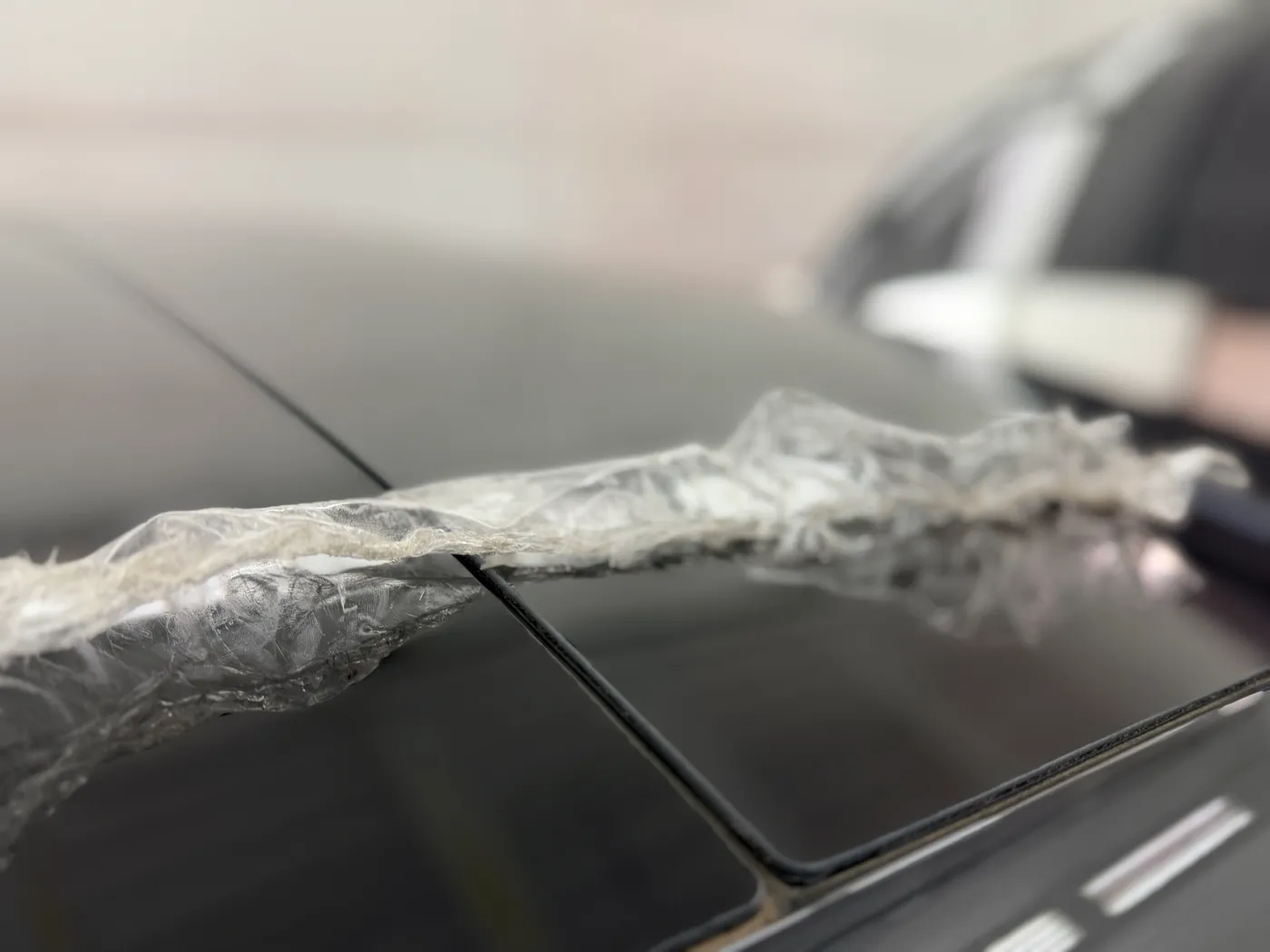
    Sheet paint protection film tearing off a Lucid roofline in shredded ribbons during removal
    Sheet film coming off a Lucid. It does not release in one piece.
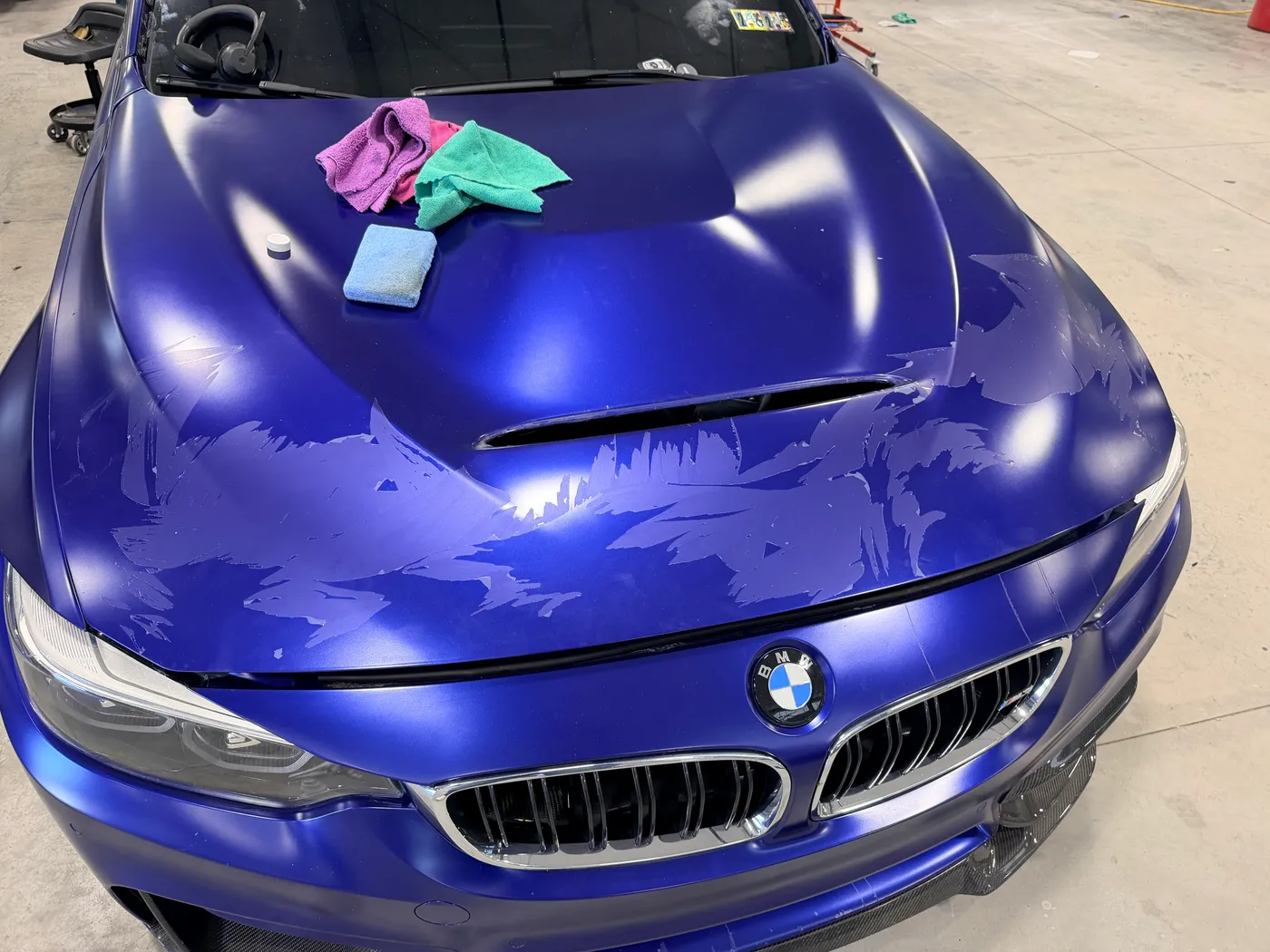
    Sheet paint protection film part way through removal on a blue BMW M3 hood, tearing into strips
    The same job on an M3 hood, part way through.
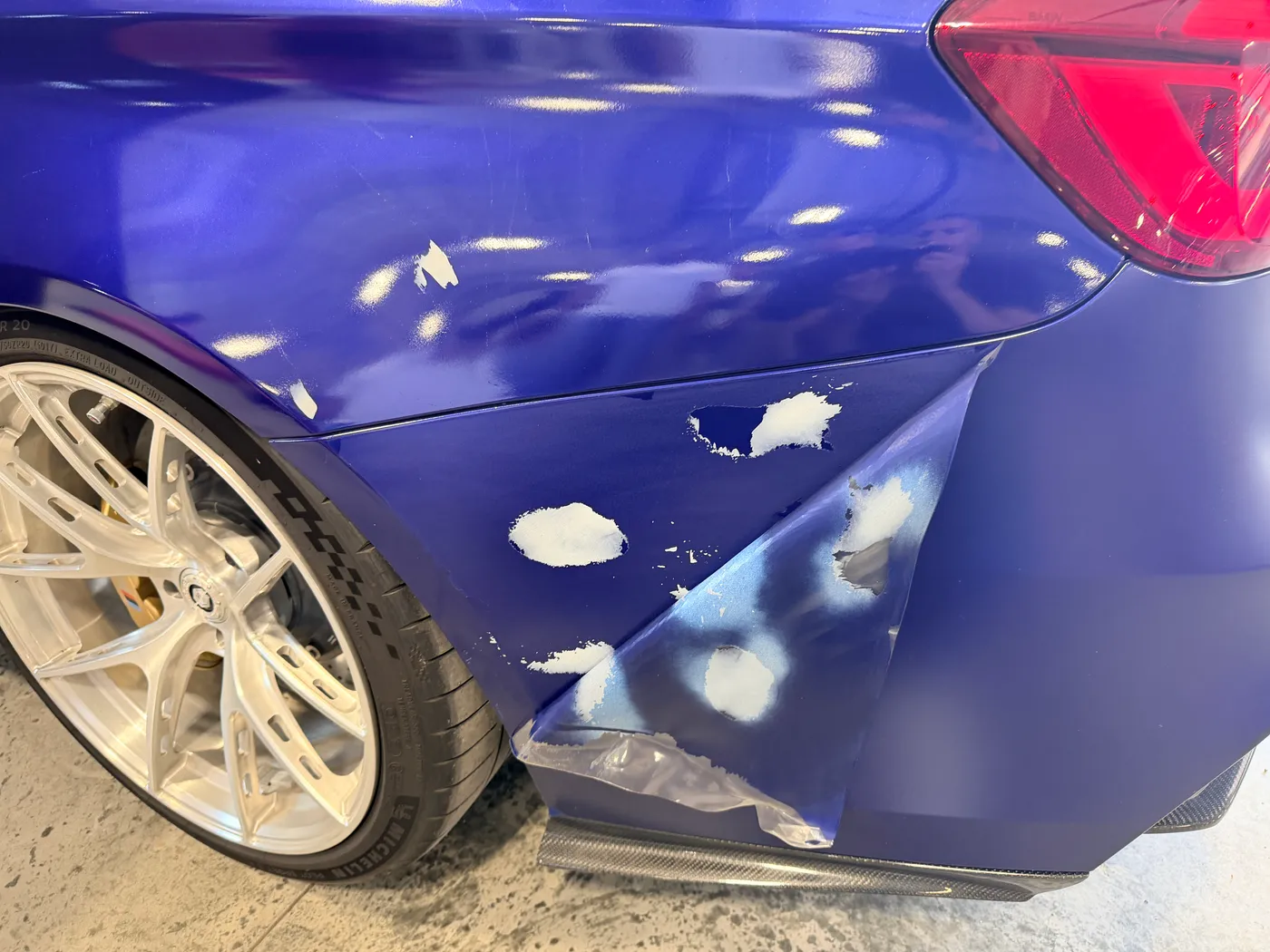
    Blue BMW M3 rear fender showing paint pulled away in patches where sheet film was removed
    Where the adhesive won. Those pale patches were paint.

    Sprayed film does not do this. There is no adhesive holding it to your clearcoat, so it releases in sheets and the paint underneath is the paint you bought.

    Our side of it

    It gets sprayed like paint,
    because it has to be.

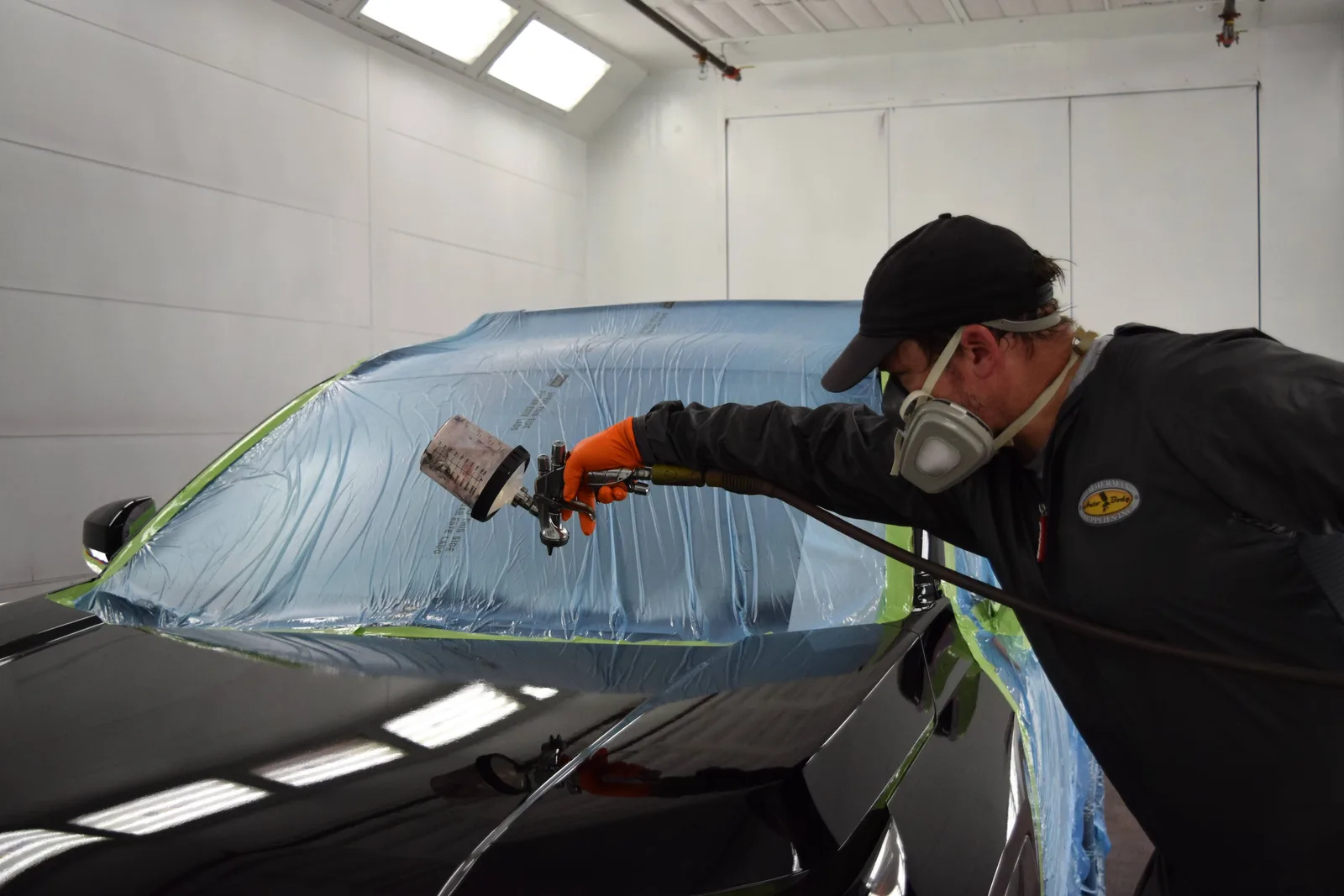
    This is body shop work, not an install bay. Temperature, humidity, and filtered air all have to be right or the finish cures wrong. Here is what the job actually looks like.
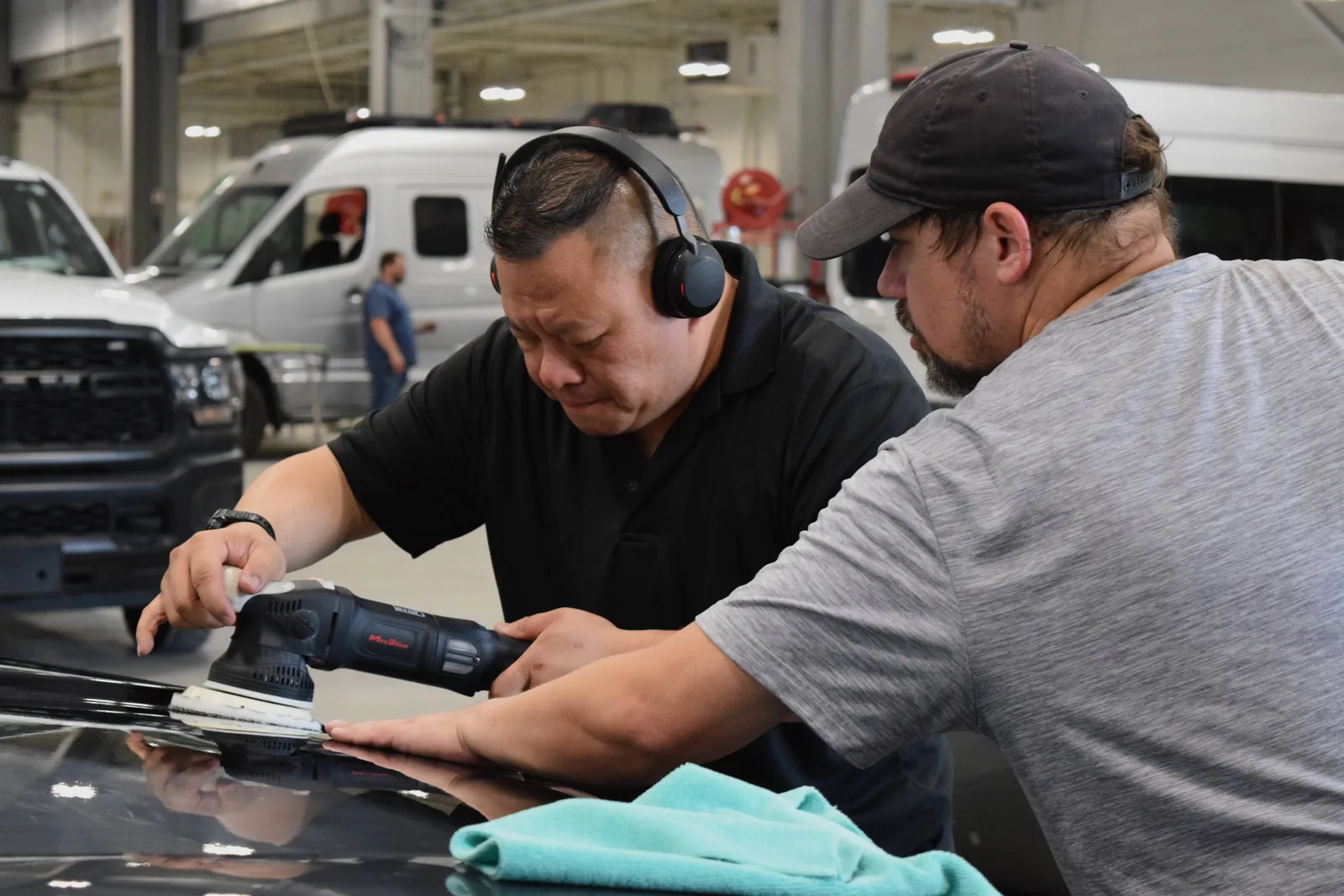
    Two technicians machine polishing a vehicle during paint correction
    Correction first. Anything left on the paint gets sealed under the film.
    PeelClear being sprayed onto a masked vehicle inside the downdraft paint booth
    Sprayed in even coats, the way clear coat goes on.
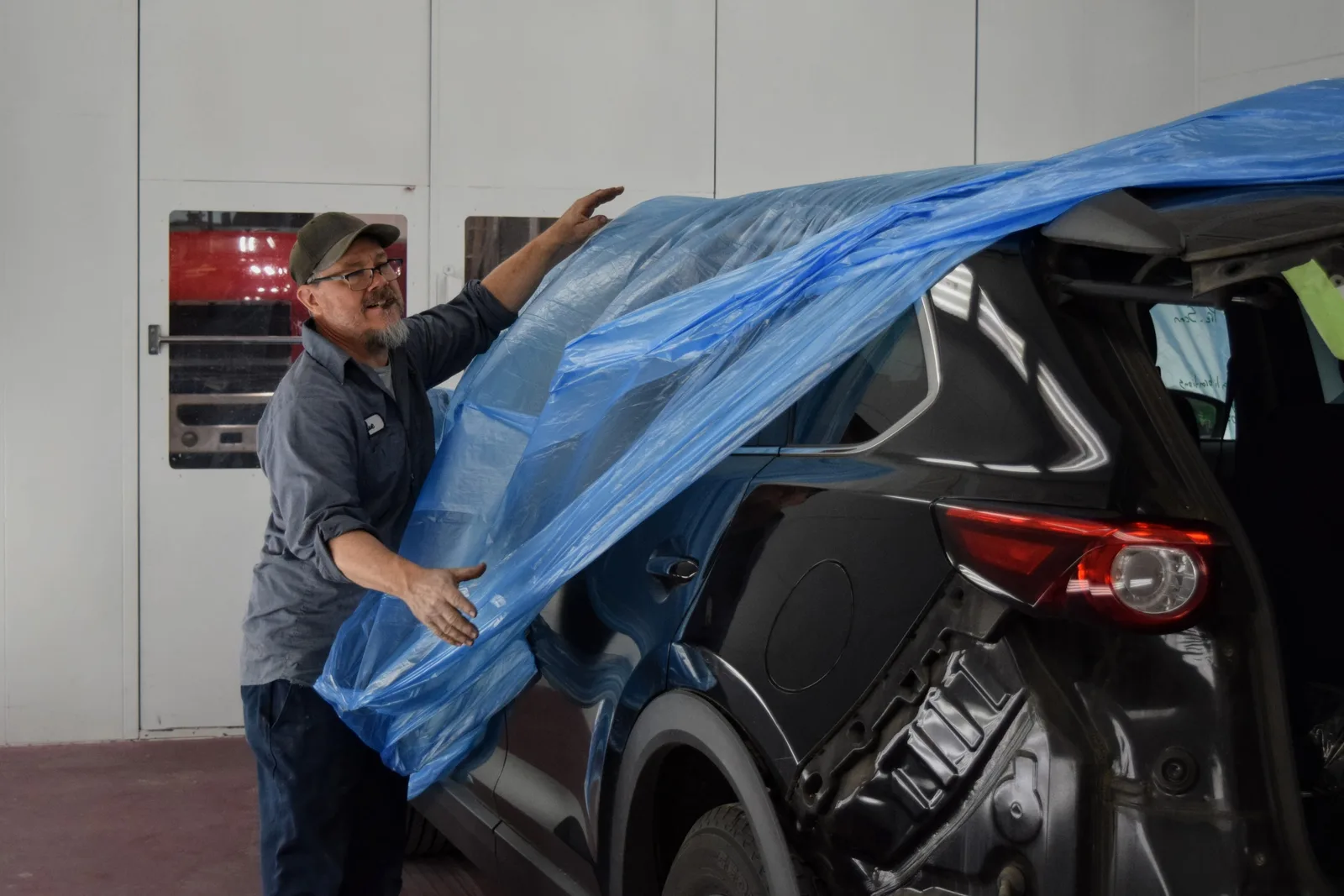
    Masking being pulled away from a freshly coated black coupe in the booth
    Unmasking, then wet sanded and polished.
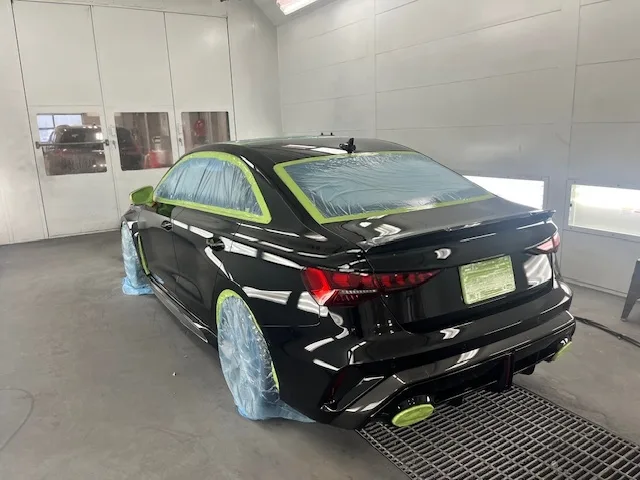
    Audi RS3 in black, masked and prepped inside the downdraft paint booth

    Plan on several days with us. Correction, masking, spraying, curing, and polishing each take real time, and none of them can be rushed without it showing.

    If a shop quotes you a full job turned around in an afternoon, one of those steps is not happening. Ask which one.

    Ask us the same question, and hold us to the answer.

    WHY THIS SHOP

    Five years sharp. Eleven years deep.

    Total Detail has spent the last five years becoming the region's go-to for premium protection and finish work. Heritage Collision Experts — our partner shop — has been behind Pottstown-area vehicles for eleven. Between the two, your car leaves with the protection, the finish, and the structural work handled under one roof.

    5YRS
    Total Detail operating
    11YRS
    Heritage Collision Experts
    352
    Google Reviews
    1-of-1
    Regional PeelClear installer

    Frequently asked questions.

    What does paint protection film cost near Pottstown?

    Three things move the number. How much of the car you cover, how much correction the paint needs first, and how complex the panels are. A front end sits well below a full car. Our pricing is published, so you can see where it lands before you call anyone.

    Is what you install actually paint protection film?

    Yes. It cures into a tough clear film over your paint, 8 to 12 mil thick, and years later it peels off as a film. The difference from what most shops install is how it goes on. Ours is sprayed in a paint booth instead of cut from a roll and stuck down with adhesive.

    Why does sprayed beat cut and stuck?

    Two reasons, and both show up years in rather than on day one. Sheet film has to end somewhere, so it leaves an edge at every panel, and that edge collects dirt and eventually lifts. And sheet film is held on by adhesive, which sun bakes onto your clearcoat, so removal can pull finish with it. Sprayed film has no edges and no glue.

    Can you cover just the front end?

    Yes, and it is the most common way people start. The front takes most of the damage. We walk the car with you and go over what makes sense rather than pushing you straight to full coverage.

    Does it come in colors?

    Over 274 of them, in gloss, satin, or matte. Clear sheet film cannot do that. You can run a color for a few years and peel back to your factory paint before you sell.

    Is sheet film ever the better choice?

    For a dedicated track car taking repeated high speed debris, yes, and we will tell you that rather than sell you something else. For a street car, sprayed covers the same areas and removes without risking your paint.

    I already have film on my car. Will you look after it?

    Yes. We maintain film, we will tell you honestly whether lifting edges or staining are worth addressing, and ceramic coating goes over existing film fine. Bring it in and we will tell you what we would actually do with it.

    Paint Protection

    Keep the paint you paid for.

    Hours
    Mon–Fri 8:00–6:00
    Sat–Sun Closed